
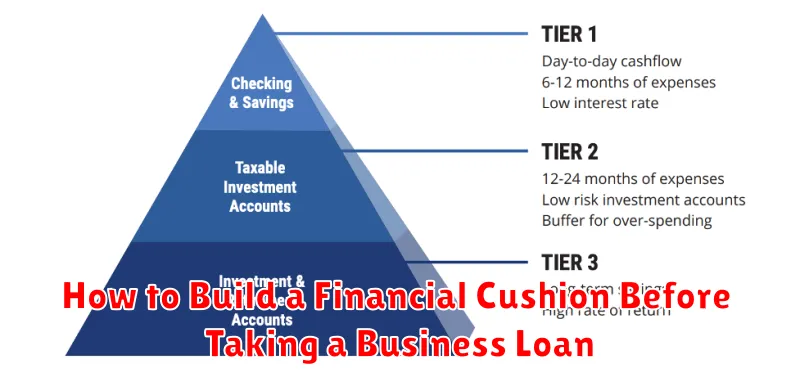
Securing a business loan can be a pivotal step in your company’s growth, but obtaining approval often hinges on your financial stability. Before you even approach a lender, it’s crucial to build a robust financial cushion. This isn’t just about having enough money to cover immediate expenses; it’s about demonstrating to lenders that your business is financially sound and capable of handling unexpected setbacks, ensuring a higher chance of loan approval. This comprehensive guide outlines effective strategies to bolster your financial health and significantly increase your chances of securing the funding your business needs.
Building a strong financial foundation involves more than just saving money; it requires a strategic approach. This article will delve into practical steps, including improving your credit score, increasing your cash reserves, and meticulously tracking your business finances. We’ll explore methods for reducing debt, optimizing your business expenses, and projecting future cash flow to present a compelling case to potential lenders. Understanding these key elements and implementing the strategies discussed will equip you to confidently approach lenders and significantly improve your prospects of obtaining a business loan.
Why a Cash Reserve Matters for Business Stability
Maintaining a substantial cash reserve is paramount for ensuring the long-term stability and resilience of any business. Unexpected events, from economic downturns to equipment malfunctions, can significantly impact cash flow, potentially crippling a company unprepared for such contingencies.
A healthy cash reserve acts as a buffer against financial shocks. It allows a business to continue operations during periods of reduced revenue, preventing layoffs and maintaining essential services. This is particularly critical during times of economic uncertainty, where securing additional funding can be challenging.
Furthermore, a cash reserve enhances a business’s creditworthiness. Lenders view businesses with significant cash reserves as less risky investments, making it easier to secure loans at favorable interest rates when necessary. This strengthens a company’s negotiating power and improves its overall financial standing.
Beyond immediate crises, a cash reserve facilitates strategic planning and growth opportunities. Having readily available funds enables a business to capitalize on unexpected market opportunities, invest in new technologies or expand operations without being constrained by tight finances. This proactive approach allows for greater control over the business’s trajectory.
In summary, building and maintaining a strong cash reserve is an essential element of responsible financial management. It provides a crucial safety net, enhances creditworthiness, and facilitates strategic growth, ultimately contributing to a more stable and successful business.
Calculating the Right Emergency Fund Amount
Before you even consider a business loan, establishing a robust emergency fund is paramount. This fund acts as a financial cushion, protecting you from unexpected setbacks that could derail your business plans or even your personal life. The amount you need will depend on your individual circumstances, but a well-defined calculation is crucial.
A common recommendation is to aim for 3-6 months’ worth of living expenses. This covers essential costs like rent or mortgage payments, utilities, groceries, transportation, and debt payments. However, this is a general guideline, and you might need more depending on your risk tolerance and specific financial situation.
For entrepreneurs, particularly those with variable income streams, a larger emergency fund is highly recommended. Consider 6-12 months’ worth of expenses as a more prudent approach. This provides a safety net during periods of low sales or unexpected downtime.
To calculate your required emergency fund amount, meticulously track your monthly expenses for several months. Categorize your spending to identify essential versus non-essential items. Then, multiply your essential monthly expenses by the number of months you wish to cover (3, 6, 9, or 12). This will provide a realistic target for your emergency fund.
Remember, building this fund takes time and discipline. Start small and consistently contribute. Even small, regular deposits will add up over time, providing a sense of security and financial stability before you pursue a business loan.
Separating Operating Cash from Safety Cash
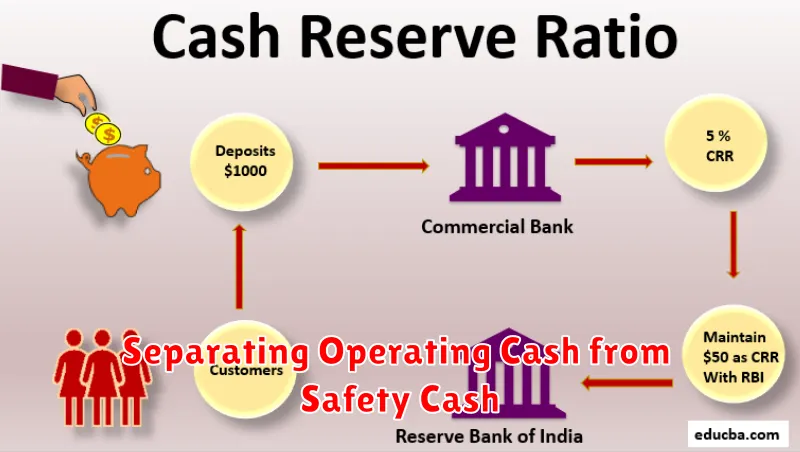
Before applying for a business loan, it’s crucial to understand the difference between operating cash and safety cash. Operating cash is the money your business uses for day-to-day expenses like payroll, rent, and supplies. It’s the lifeblood of your operations, ensuring you can meet your immediate financial obligations.
Safety cash, on the other hand, is a reserve fund specifically set aside for unexpected events. This is your emergency fund, designed to protect your business from unforeseen circumstances such as equipment malfunctions, sudden drops in sales, or unexpected legal issues. It provides a crucial buffer to prevent a minor setback from becoming a major financial crisis.
Separating these two is vital for several reasons. First, it allows for clear financial planning. Knowing how much cash is dedicated to daily operations versus emergency preparedness simplifies budgeting and forecasting. Second, it helps lenders assess your financial stability. Lenders are far more likely to approve a loan application from a business demonstrating both consistent operating cash flow and a substantial safety net.
Consider establishing separate bank accounts for operating cash and safety cash. This provides a clear visual representation of your financial health and simplifies the process of tracking cash flow. By meticulously tracking both, you can demonstrate a strong understanding of your business’s financial needs and its preparedness for unforeseen challenges, significantly improving your loan application’s chances of success.
Determining the appropriate amount for your safety cash requires careful consideration of your business’s specific vulnerabilities and financial history. Consult with a financial advisor to determine a suitable amount based on your unique circumstances. A well-defined safety net can mean the difference between weathering a storm and succumbing to financial hardship. It’s a critical component of a strong financial foundation, essential for both short-term stability and long-term growth.
Strategies to Build Reserves Fast
Building a substantial financial cushion before applying for a business loan is crucial. Lenders assess your financial health, and a healthy reserve demonstrates your ability to manage risk and repay the loan. Several strategies can help you achieve this goal quickly.
Cut unnecessary expenses. Scrutinize your spending habits and identify areas where you can reduce costs. This might involve negotiating lower rates with suppliers, reducing marketing expenses temporarily, or streamlining operational processes to minimize overhead. Every dollar saved contributes directly to your reserves.
Increase revenue streams. Explore opportunities to boost your income. This could involve launching a new product or service, expanding into new markets, or implementing a more effective pricing strategy. Consider offering additional services to existing clients to increase revenue without significant added costs. Diversifying income is a powerful strategy.
Negotiate better payment terms with suppliers. Extending payment deadlines even by a few weeks can free up cash flow in the short-term. This provides breathing room to dedicate more funds towards building your reserves. Strong supplier relationships are vital for achieving this.
Secure short-term funding. Consider exploring short-term financing options, such as invoice financing or lines of credit, to bridge the gap while building your reserves. These options should be used strategically and responsibly, focusing on building your reserves to avoid long-term debt.
Improve efficiency and productivity. Streamlining your business processes can significantly reduce costs and increase efficiency, freeing up more funds for your reserves. Implementing automation where possible can improve productivity and reduce reliance on labor costs. Analyzing key performance indicators (KPIs) will help identify areas for improvement.
Prioritize debt repayment. While building reserves, aggressively paying down high-interest debts will reduce your overall financial burden and free up more cash flow for saving. Focusing on high-interest debt first maximizes the impact of your repayment efforts.
Using Cash Flow Forecasts to Avoid Borrowing Too Early

One of the biggest mistakes businesses make is taking out a loan before they absolutely need to. Interest payments can significantly eat into profits, and early borrowing can hinder long-term financial health. A crucial tool in avoiding this is a detailed cash flow forecast.
A cash flow forecast projects your business’s incoming and outgoing cash over a specific period. By meticulously tracking anticipated revenue and expenses, you can gain a clear picture of your liquidity position in the coming months and years. This allows for proactive planning and informed decision-making.
Instead of relying on gut feelings, a forecast provides data-driven insights. You can identify potential shortfalls or surpluses well in advance. This early warning system gives you time to explore alternative solutions, such as tightening expenses or accelerating invoice collection, before resorting to borrowing.
Moreover, a robust cash flow forecast strengthens your position when you do eventually need to approach lenders. It demonstrates that you’ve undertaken thorough financial planning and have a clear understanding of your business’s financial trajectory. This significantly improves your chances of securing favorable loan terms.
Accurate forecasting requires careful consideration of various factors, including seasonal fluctuations in sales, anticipated growth, and potential unexpected costs. Regularly reviewing and updating your forecast is essential to maintain its accuracy and relevance. While unforeseen circumstances can always arise, a well-constructed forecast dramatically minimizes the risk of premature borrowing.
Reassessing Loan Timing Based on Reserves
Before applying for a business loan, it’s crucial to evaluate your financial reserves. A strong reserve acts as a safety net, providing a buffer against unexpected expenses and potentially improving your loan application’s success rate. The size of your reserves directly impacts the timing of when you should seek financing.
Sufficient reserves allow for a more strategic approach. With ample funds available, you can meticulously plan your loan application, ensuring all documentation is in order and maximizing your chances of securing favorable terms. This approach allows for a more measured timeline, potentially avoiding the rush and stress associated with urgent financing needs.
Conversely, insufficient reserves necessitate a reassessment of your loan timing. Applying for a loan when your reserves are low increases the risk of financial instability. If unexpected costs arise, you might struggle to meet loan repayments, potentially damaging your credit score and business reputation. In such instances, focusing on building your reserves before seeking a loan is the more prudent option.
Therefore, the optimal loan timing isn’t solely dependent on business needs but is critically linked to the strength of your financial reserves. A thorough assessment of your cash position allows for a more informed and responsible approach to securing business financing.
Analyzing your cash flow projections alongside your current reserves helps determine the ideal time to apply for a loan. This combined approach provides a more comprehensive understanding of your financial health and reduces the risk of financial strain after securing the loan.
